
Have you ever noticed that some cookies have an irresistible crunch, while others feel disappointingly soft? Or wondered why your favorite bakery’s cinnamon rolls taste noticeably richer than the ones you make at home? The answer might be demerara sugar.
If you’ve only used regular white sugar your whole life, you’re missing out on something genuinely special. Demerara sugar isn’t just another ingredient sitting on the shelf; it’s a game-changer that transforms how your food tastes and feels. With its golden color, coarse crystals, and subtle molasses flavor, this sugar brings a depth and complexity to recipes that plain old granulated sugar simply can’t match.
I’ve been curious about specialty sugars for years, and demerara keeps coming up in conversations with bakers, coffee enthusiasts, and home cooks. So I decided to dig deeper, and what I found was fascinating. Throughout this article, I’ll walk you through everything you need to know about demerara sugar, where it comes from, why it tastes so good, how to use it in your kitchen, and whether it’s actually better for you than white sugar. By the end, you’ll understand exactly why so many people have switched to this golden gem.
What Exactly Is Demerara Sugar? Understanding Your Golden Sweetener
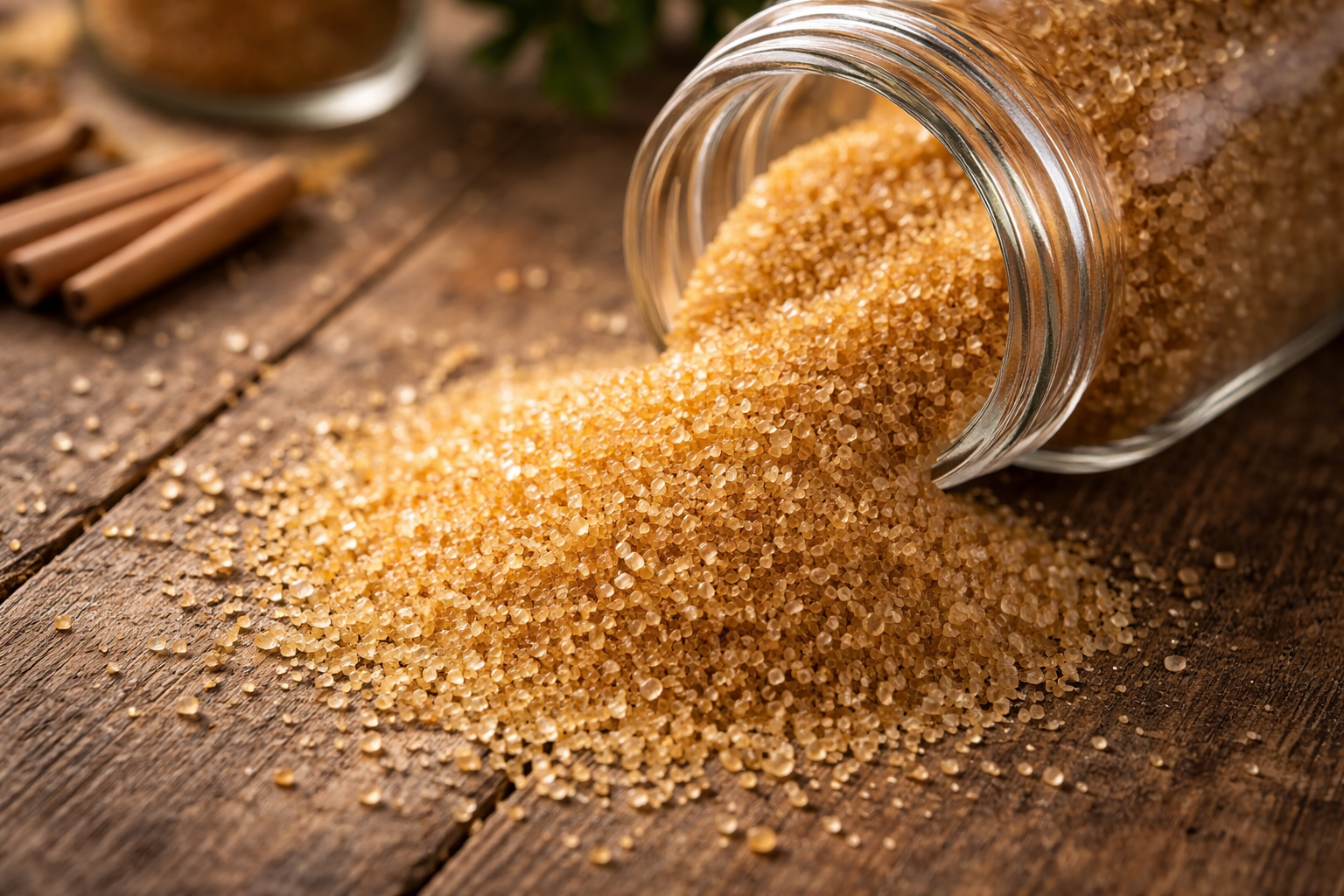
Let me start with the basics. Demerara sugar is a type of cane sugar that retains some of its natural molasses. Unlike white sugar, which goes through extensive processing that strips away almost everything except the sucrose crystals, demerara keeps some of that molasses intact. This is what gives it that gorgeous golden-brown color and those distinctive large, crunchy crystals.
The name comes from Demerara, a historic region in Guyana where this sugar was originally produced. Back in the day, Demerara Sugar was known for producing some of the world’s finest sugar. Today, while the sugar still carries that name, it’s produced in several countries, including Mauritius, Jamaica, and other major sugar-producing regions. But the traditional processing method, the one that made it special, remains largely unchanged.
Here’s what makes demerara unique: it’s essentially halfway between white sugar and molasses. The crystals are significantly larger than granulated sugar, almost like coarse sand. When you run your fingers through demerara, you can actually feel the individual crystals. That’s not an accident. Those bigger crystals mean you get little bursts of flavor rather than even sweetness throughout your recipe. It’s almost like the difference between a powdered donut and a cinnamon sugar donut, both sweet, but one has way more character.
The color tells a story, too. That golden-amber hue comes directly from the molasses content, usually around 2-3% of the crystal weight. This molasses brings subtle caramel notes, hints of butterscotch, and a warmth that white sugar just doesn’t have. If you’re someone who loves depth in your food, demerara speaks your language.
The Flavor Profile: Why Demerara Tastes Better Than White Sugar
Okay, let’s talk taste. This is really where demerara shines. If white sugar is a blank canvas, demerara sugar is a canvas with some beautiful texture and color already there.
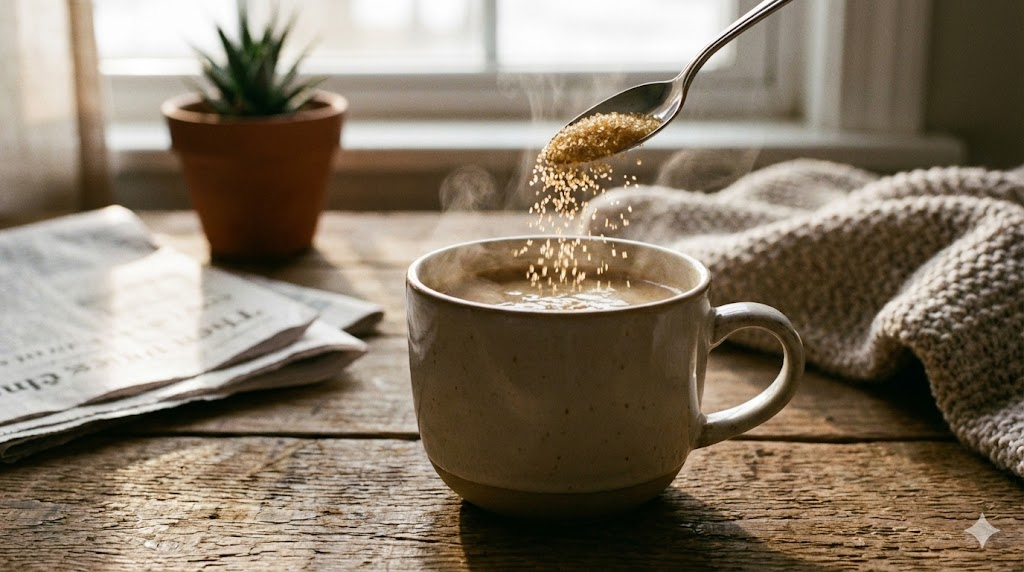
When you dissolve Demerara Sugar in coffee or tea, you’ll notice it doesn’t just sweeten, it adds a subtle warmth. There’s a gentle caramel undertone that makes your drink feel more luxurious. I’ve had this experience countless times, and honestly, it’s hard to go back to regular sugar after tasting the difference. The molasses content creates these sweet, almost toffee-like notes that linger on your palate.
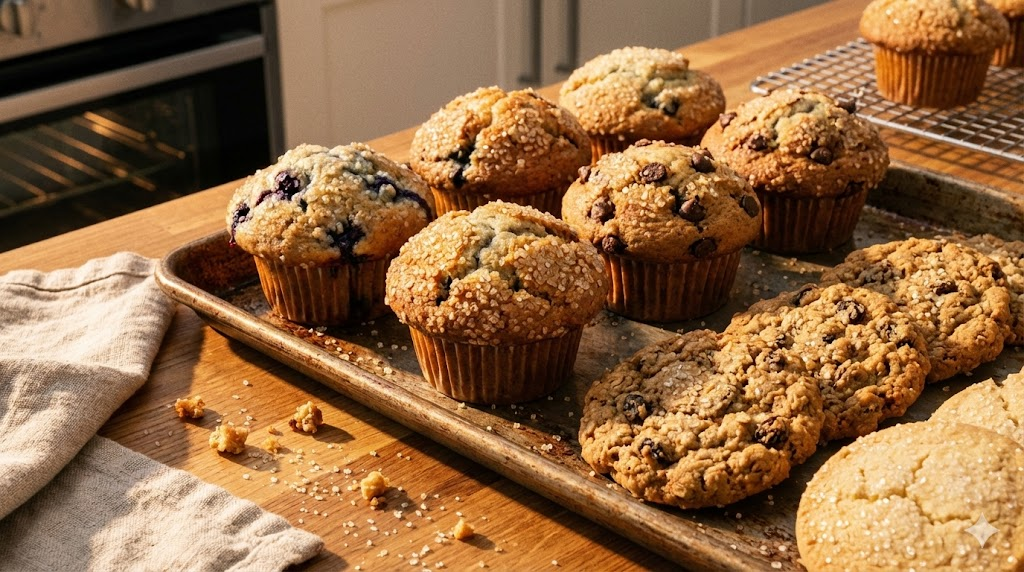
In baking, demerara becomes even more noticeable. The larger crystals don’t dissolve as completely or as quickly as granulated sugar, which means they contribute texture as well as taste. Sprinkle it on top of a muffin, cookie, or scone, and you get a pleasant crunch when you bite down. It’s the same technique fancy bakeries use to make their pastries feel special and indulgent.
What’s particularly interesting is how demerara interacts with other flavors. In caramel-based desserts, it enhances the caramel notes naturally. In spiced baking (think cinnamon rolls, snickerdoodles, or gingerbread), the molasses complements the spices beautifully. Even in simple applications like sweetening oatmeal or yogurt, Demerara Sugar feels more complete than white sugar. The flavor isn’toverpoweringn, it’s just there, supporting and enriching the other ingredients.
Some people describe the taste as “rounder” or “fuller” than white sugar. That’s a fair assessment. It’s not artificially flavored or anything. It’s just that the presence of molasses creates a more complex sweetness that your taste buds actually register as more interesting.
Where Demerara Comes From: A Quick History
Understanding where your food comes from always makes it taste better, at least that’s been my experience. Demerara sugar has a rich (and honestly, complicated) history.
The name originated in Demerara, a coastal region in what is now Guyana. During the 18th and 19th centuries, this area became famous for sugar production. Plantations developed sophisticated methods for refining sugar, and the distinctive demerara style emerged: that golden color, those crystals, that flavor profile. For a long time, Demerara Sugar was synonymous with premium sugar.
Today, true demerara-style sugar comes from several countries. Mauritius is one of the largest producers, known for high-quality output. Jamaica, Guyana, and other Caribbean nations continue the tradition. The processing remains relatively consistent across producers: cane juice is extracted, boiled, and crystallized in a way that preserves some molasses content. The result is those characteristic golden crystals.
What’s important to know is that modern Demerara Sugar production still respects the traditional methods while using contemporary equipment for consistency and safety. You’re not getting a “made with ancient techniques” product. You’re getting a thoughtfully processed sugar that balances tradition with modern standards. That’s actually the sweet spot, pun intended.
Demerara vs. Other Sugars: How It Stacks Up
Let’s be honest. The sugar world can be confusing. You’ve got white sugar, brown sugar, muscovado, turbinado, coconut sugar, and more. Where does demerara fit in?
Demerara Sugar vs. White Granulated Sugar: White sugar is fully refined, which strips out the molasses. Demerara Sugar keeps some molasses, so you get more flavor and texture. White sugar dissolves more completely, making it better for beverages and delicate recipes. Demerara is better when you want a visible texture and a richer taste.
Demerara vs. Brown Sugar: Brown sugar is actually white sugar with molasses added back in. It contains about 3-5% molasses, similar to demerara. The key difference? Brown sugar crystals are much finer. Brown sugar stays soft and moist because of its molasses content. Demerara’s coarser crystals don’t absorb moisture the same way, so they stay dry and crunchy. This matters in baking brown sugar creates moister cookies, while Demerara Sugar gives you texture and crunch.
Demerara vs. Muscovado Sugar: Muscovado is darker and stickier than demerara, with a much higher molasses content (around 10-15%). It has a stronger molasses flavor, almost like brown sugar’s more intense cousin. Muscovado is fantastic for deep, dark baked goods. Demerara Sugar is lighter in both color and flavor, making it more versatile for everyday use.
Demerara vs. Turbinado Sugar: Turbinado and demerara look similar; both have coarse crystals and a golden color. The difference is subtle. Turbinado is processed slightly more, giving it a paler color. Demerara has a bit more molasses content, so it’s richer. For most uses, they’re interchangeable. But if you want a deeper flavor, demerara wins.
The bottom line? Demerara is the sweet spot between white sugar’s neutrality and darker sugars’ intensity. It’s versatile enough for everyday use but interesting enough for bakers and coffee lovers who care about flavor.
How to Use Demerara Sugar in Your Kitchen
Now here’s the practical stuff, how to actually incorporate Demerara Sugar into your cooking and baking.
In Hot Drinks: This is where I personally use demerara most. Stir a teaspoon into your morning coffee, and you’ll immediately notice the difference. The warmth of the beverage helps dissolve the crystals partially, creating a subtle caramel sweetness. It works beautifully in tea, hot chocolate, and even cocktails. Try it in your next cup of coffee and see what I mean.
On Top of Baked Goods: Before baking, sprinkle Demerara Sugar on top of muffins, scones, cookies, or pastries. It won’t fully dissolve, so you get that pleasant crunch on the first bite. This is professional-baker territory right here. It requires minimal effort but transforms how your baked goods feel and taste.
In Cookies and Bars: Use demerara as part or all of your sugar in cookie recipes. You’ll get a crunchier texture and richer flavor. Since the larger crystals dissolve more slowly, cookies made with demerara often have a slightly chewier center and crunchier edges. This is particularly lovely in sugar cookies and shortbread.
In Cinnamon Rolls and Sweet Breads: Mix Demerara Sugar with cinnamon for your filling. The molasses notes complement warm spices perfectly. The slightly coarser texture means the cinnamon-sugar mixture doesn’t turn gummy like it sometimes does with regular brown sugar.
In Caramel and Sauces: The molasses content makes demerara excellent for caramel-based recipes. It brings those natural caramel notes to the forefront. Try making salted caramel sauce with demerara; the depth of flavor is noticeably better.
In Oatmeal and Yogurt: Yes, even simple applications benefit from demerara. Stir some into warm oatmeal or sweet yogurt. You’ll taste a richness that makes these humble dishes feel more indulgent.
One tip from my experience: if you’re substituting demerara for white sugar in a recipe, it works great in most cases, but the texture will be slightly different. For delicate items like cakes (not cookies), white sugar is still your best bet. For everything else, Demerara Sugar is fair game.
Nutritional Facts: Is Demerara Sugar Actually Healthier?
Let me be straightforward about this: Demerara Sugar is still sugar. It’s not a health food. But understanding its nutritional profile is worth your time.
Calorically, demerara and white sugar are virtually identical about 4 calories per gram, or 16 calories per teaspoon. Your body processes them similarly. The carbohydrate content is the same. So if you’re thinking demerara will help you lose weight or dramatically impact your health, that’s not realistic. Sugar is sugar from a caloric standpoint.
Where Demerara Sugar differs is in micronutrients. The molasses content means it retains tiny amounts of minerals like calcium, potassium, magnesium, and iron. We’re talking very small amounts, nothing life-changing, but they’re there. White sugar has none of these minerals essentially because they’re removed during processing. This might sound like a minor difference, but for people seeking foods with nutritional density, every bit counts.
Some people also argue that demerara’s more complex flavor means you might use less of it since a little goes a long way in terms of satisfaction. I’ve noticed this in my own kitchen. A cup of coffee sweetened with Demerara Sugar feels more fully satisfied than one with white sugar, so I sometimes use slightly less. But that’s highly individual and shouldn’t be overstated.
The bottom line on health: Demerara Sugar is marginally better than white sugar due to its micronutrient content, but it’s not a significant difference. It’s a better choice if you care about flavor, texture, and baking results. The “health benefit” is genuinely secondary. If you’re managing sugar intake for health reasons, demerara is still sugar and should be limited just like any other sweetener.
Cooking and Baking Tips: Expert Tricks for Success
I’ve picked up some useful tips from bakers and cooks who use demerara regularly, and I want to share them with you.
Tip 1: Know When to Use It: Demerara shines in recipes where texture matters and where you want richer flavor. Use it for cookies, baked goods, coffee drinks, and caramel-based recipes. For delicate cakes, custards, and items where smooth sweetness is crucial, white sugar remains superior.
Tip 2: Storage Matters: Keep demerara in an airtight container in a cool, dry place. Unlike brown sugar, it won’t harden over time due to its lower moisture content. This makes it actually more convenient to store long-term.
Tip 3: Don’t Worry About Conversion: In most recipes, you can substitute demerara 1:1 for white sugar by weight. Volume-wise, it might differ slightly because of crystal size, but weight substitution is accurate. Most recipes work perfectly with this swap.
Tip 4: Grinding Is an Option: If you need finer granules for a specific recipe, you can pulse demerara in a food processor. It won’t become powdered, but it’ll be finer. Alternatively, just dissolve it completely by letting it sit in warm liquid.
Tip 5: Enhance Spiced Recipes: The natural caramel notes in demerara complement cinnamon, nutmeg, ginger, and cloves beautifully. Consider using demerara whenever your recipe features warm spices.
Tip 6: Layer It On Top: For maximum visual appeal and crunch in baked goods, sprinkle demerara on top just before baking. It caramelizes slightly and creates that professional bakery look.
Cost and Where to Buy Demerara Sugar
Let’s talk practicality. Where do you actually find demerara, and what should you expect to pay?
Demerara is increasingly available in mainstream grocery stores. Check the baking aisle or the sugar section. Most major supermarkets carry it alongside white and brown sugar. Brands like C&H, Domino, and store brands offer demerara options. You’ll typically pay slightly more than white sugar, maybe 20-40% more, depending on your location and brand. So if white sugar costs $2 per pound, demerara might be $2.50-3. That’s a reasonable premium for the flavor difference.
Online retailers like Amazon also stock demerara from various suppliers. This is helpful if your local stores don’t carry it or if you want bulk quantities. Specialty food stores and baking supply shops usually have multiple options and often better quality.
My recommendation? Buy a small bag first to experiment. See how you like it. Most people who try demerara end up switching for at least some of their baking. Once you taste the difference, it’s hard to ignore.
The Verdict: Should You Switch to Demerara?
Here’s my honest take: you don’t need to replace all your white sugar with demerara. White sugar is fine. It’s reliable, affordable, and works perfectly for many applications.
But if you care about baking results, if you appreciate deeper flavors, or if you want your everyday foods (like your morning coffee) to feel a little more special, demerara is absolutely worth trying. The cost difference is minimal, and the taste improvement is noticeable.
Start small. Buy a bag and use it where it matters most, on top of baked goods, in your coffee, in cookie recipes. Get a feel for how it works and where you prefer it. You might find that you use demerara for certain things and white sugar for others. That’s perfect. That’s actually how most experienced cooks approach it.
The fact that demerara has been around for centuries, that it’s still produced using traditional methods, and that it’s becoming more available suggests it’s not a passing trend. It’s simply a better sugar for people who care about these things. Whether you’re one of those people is entirely up to you.
FAQs
Q: Can I use demerara sugar for baking cookies? Absolutely. Demerara works wonderfully in cookies. You might notice slightly crunchier edges and a richer flavor. This is actually a benefit for most cookie recipes.
Q: Will demerara sugar dissolve in cold drinks? It dissolves more slowly than white sugar in cold beverages. For iced coffee or cold tea, let it sit longer or stir vigorously. Hot drinks are your best bet if you want quick dissolution.
Q: Is demerara sugar vegan and gluten-free? Yes to both. Demerara is plant-based and contains no gluten. If you need certified vegan or certified gluten-free, check the package to ensure no processing aids were used that would compromise these certifications.
Q: How should I store demerara sugar long-term? Keep it in an airtight container away from heat and humidity. Unlike brown sugar, it won’t clump over time, making it easier to store. It stays fresh for years when stored properly.
Q: Can I replace all white sugar with demerara in recipes? For most recipes, yes. For delicate baked goods where texture is crucial, you might prefer white sugar. But weight-for-weight substitution works in the vast majority of cases.
Q: Does demerara have a stronger flavor than brown sugar? Both have molasses, but demerara’s molasses content is slightly lower. Brown sugar often tastes slightly richer and darker. Demerara is subtler and works well in more applications.
Q: Is demerara sugar fair trade? Some demerara brands are fair trade certified. Check the package if this matters to you. Fair-trade demerara is becoming more widely available, particularly from Mauritian and Caribbean producers.
Conclusion: Your Golden Sugar Moment Awaits
Demerara sugar isn’t revolutionary. It’s not going to change your life or solve world hunger. But here’s what it will do: it’ll make your coffee taste richer, your cookies crunchier, and your cinnamon rolls more indulgent. It’ll add a subtle depth to your baking that’s noticeably better than white sugar.
Sometimes the best improvements come from small changes. Switching your sweetener sounds minor, but if you actually care about how your food tastes, and I think you do, since you read this entire article, it matters. It’s one of those small upgrades that compound over time.
Why not pick up a bag this week? Try it in your coffee tomorrow morning. Sprinkle it on your next batch of cookies. See what you think. I’m confident that once you taste the difference, you’ll understand why demerara has been a favorite of bakers and food enthusiasts for centuries.
What’s your go-to way to use sugar? Are you thinking about trying demerara for a specific recipe? I’d genuinely love to know that your feedback helps more than you’d think.
