
Here’s something you’ve probably done a thousand times: You open your spice cabinet, grab a jar of coriander seeds, and sprinkle them onto whatever you’re cooking without giving it much thought. But what if I told you that you’re likely missing out on what makes these little golden spheres so special?
Coriander seeds are one of those ingredients that sit in the shadows while flashier spices like cumin and turmeric steal the spotlight. Yet these humble seeds have been nourishing civilizations for thousands of years, showing up in everything from Indian curries to European baked goods. The thing is, most people have no idea what they’re actually doing with them. They don’t know how to unlock the real flavor, they’re unaware of the science behind why coriander seeds work so well, and they definitely don’t understand the game-changing health benefits hiding inside each seed.
This article is going to change that. We’re diving into everything you need to know about coriander seeds, from how to use them like a pro to why your body might actually thank you for adding more to your diet. By the time you finish reading, you’ll see these seeds in a completely different light, and you’ll wonder why you didn’t pay attention to them sooner.
What Are Coriander Seeds, Really?
Let me break this down for you. Coriander seeds are the dried fruit of the coriander plant (Coriandrum sativum). They’re not just some random spice someone decided to dry and sell; they’re a complete botanical package with their own story.
The coriander plant grows across the Mediterranean, and it’s been cultivated for over 5,000 years. Ancient Egyptians used these seeds in their burial chambers, and that’s not just ceremonial stuff; they actually knew something about the power of these little spheres. The Romans brought coriander to Britain during their conquests, and it spread across Europe like wildfire.
Here’s the cool part: coriander seeds are actually the mature fruit of a plant that also gives you cilantro. You know, that controversial herb people either love or think tastes like soap? Same plant, different stages of life. The leaves (cilantro) come early in the plant’s growth, and then when you let it mature, you get these aromatic seeds with a completely different flavor profile.
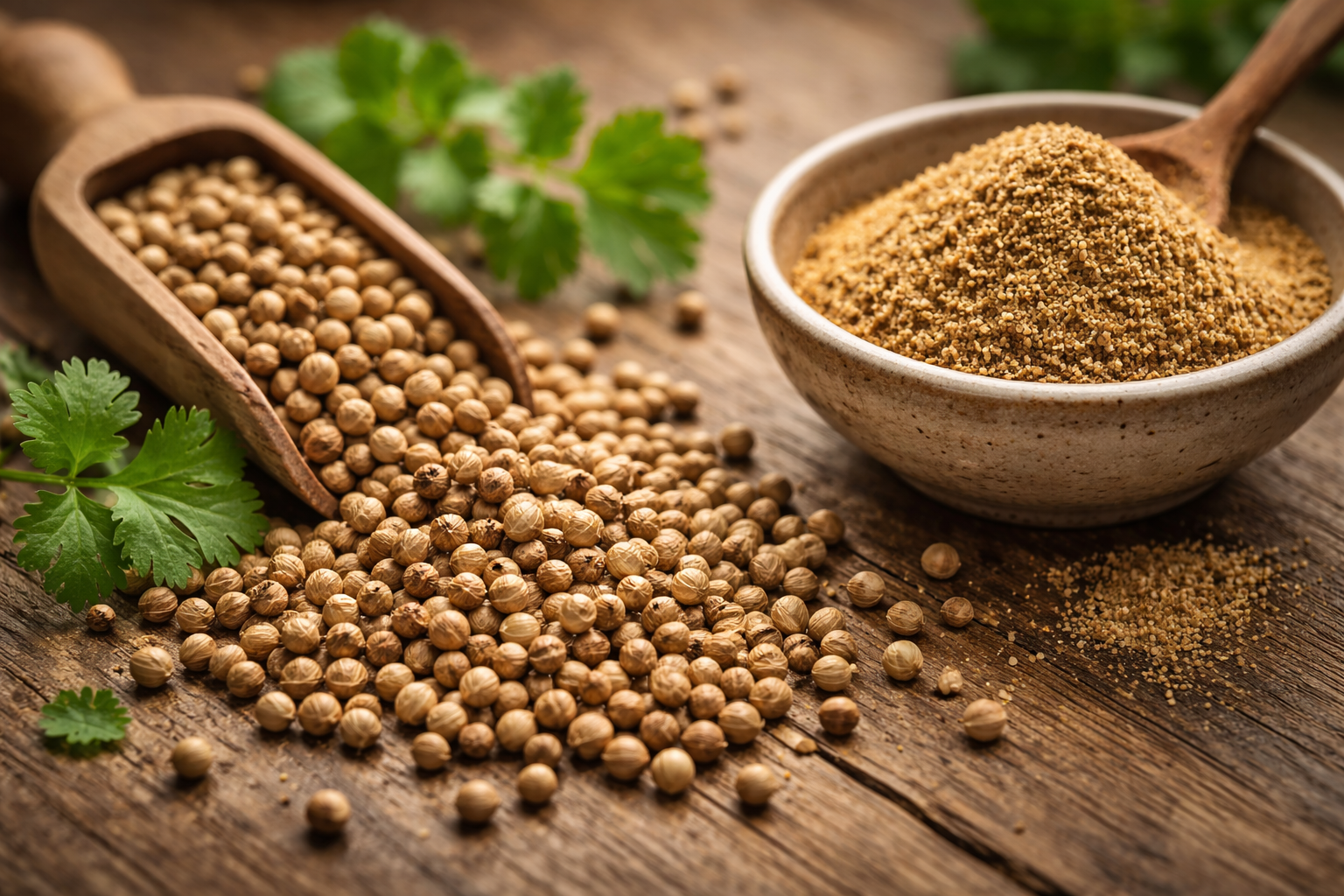
The seeds themselves are small, round, and usually have a pale golden color. When you pick them up and smell them, you’ll notice they have this warm, slightly sweet, almost citrusy aroma. That’s linalool and other essential oils doing their thing, and that’s also your first clue that these seeds are packed with good stuff.
The Flavor Profile You’re Probably Getting Wrong
Let’s talk about why coriander seeds taste the way they do, because understanding this changes everything.
The flavor isn’t one-dimensional. When you bite into a coriander seed, you’re experiencing a combination of warmth, sweetness, and a subtle citrus note. It’s kind of like someone decided to blend lemon, toast, and honey together, then wrapped it up in a tiny seed. That complexity is what makes these seeds so valuable in cooking—they don’t overpower your dishes; they enhance them.
Here’s where most people mess up: they use coriander seeds raw or ground from a jar that’s been sitting in their cabinet for two years. That’s basically like listening to a song with the volume turned down. The real magic happens when you toast the seeds. And I’m not talking about a quick pass under heat, I mean a proper toasting session.
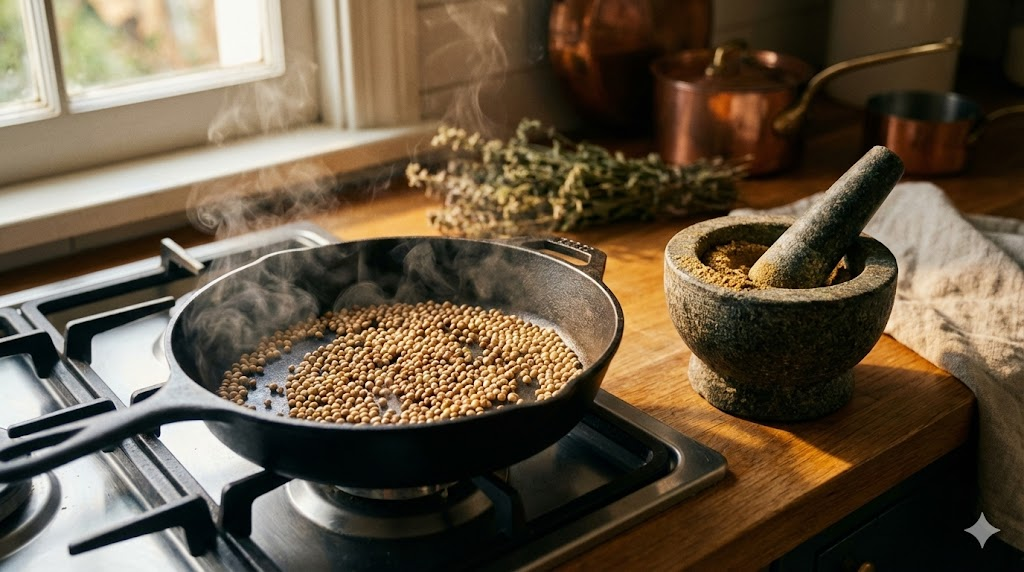
When you toast coriander seeds in a dry skillet over medium heat for about 2-3 minutes, something magical happens. The heat releases the essential oils and intensifies the flavor profile. The sweetness becomes more pronounced, the citrus notes deepen, and the overall aroma becomes intoxicating. Your kitchen will smell incredible.
The toasted version tastes less fresh and more complex. It’s warmer, richer, and more integrated into whatever you’re cooking. If you’ve never noticed the difference, try it tonight. Toast half a teaspoon, grind it up, and add it to a simple rice dish alongside some salt and pepper. Then make the same dish with untoasted seeds. You’ll immediately understand why this step matters.
Health Benefits That Actually Make Sense
Now, let’s talk about the good stuff, the reasons to actually care about coriander seeds beyond their taste.
Digestion and Gut Health
You know that bloated feeling you get after eating a heavy meal? Coriander seeds have been used in traditional medicine for centuries to address exactly that. Modern science is starting to catch up with what ancient cultures already knew.
Coriander seeds contain compounds that can help relax your digestive tract muscles. This sounds simple, but it’s actually important. When your digestive system is relaxed, it works more efficiently. You’re less likely to experience bloating, gas, or that uncomfortable fullness that lingers hours after eating. Several studies have shown that coriander can help reduce IBS symptoms, though researchers are still working out exactly why.
The seeds also contain fiber, which feeds the good bacteria in your gut. Healthy gut bacteria are linked to everything from better immune function to improved mental health. We’re learning that your gut is basically your second brain, so treating it well matters.
Anti-Inflammatory Properties
Inside coriander seeds are compounds like quercetin and other antioxidants. These aren’t just buzzwords; they’re actual molecules that help reduce inflammation in your body. Inflammation is the root cause of most chronic diseases, so anything that naturally reduces it is worth paying attention to.
When you consume coriander seeds regularly, these antioxidants accumulate in your system and help your body fight oxidative stress. This is especially important if you live a modern lifestyle with stress, processed foods, and air pollution. Your body needs all the help it can get.
Blood Sugar and Cholesterol
Here’s something that might surprise you: studies have shown that coriander seeds can help improve blood sugar control. For people dealing with prediabetes or diabetes, or anyone just trying to keep their blood sugar stable, this is genuinely useful.
The seeds also appear to have a positive effect on cholesterol levels. Regular consumption has been associated with lower LDL (bad) cholesterol and improved overall lipid profiles. Again, this is the kind of thing that adds up over time, so consistency matters more than quantity.
Antimicrobial and Antibacterial
Coriander seeds have been shown to have antimicrobial properties. This means they can help fight off certain bacteria and fungi. In traditional medicine, coriander tea was used to support immune function, and there’s actually science backing this up.
This doesn’t mean coriander seeds are a replacement for antibiotics or medical treatment, but it does mean they’re a helpful addition to your diet if you’re trying to maintain overall health and support your immune system naturally.
How to Use Coriander Seeds in Your Kitchen
Let me give you the practical stuff on how to actually incorporate coriander seeds into your cooking.
Toasting Techniques
Start simple. Get a dry skillet, add your seeds, and turn the heat to medium. You’ll hear them start to pop and crackle; that’s the signal that they’re releasing their oils. Once you smell that gorgeous aroma (usually 2-3 minutes), pour them onto a plate to cool. If you leave them in the hot skillet, they’ll keep cooking and potentially burn, which tastes bitter.
Once cooled, you can use them whole or grind them with a mortar and pestle. Grinding releases even more flavor, and the powder will be stronger and more aromatic than pre-ground coriander from a jar.
Popular Culinary Uses
Indian cooking is probably the most obvious place to use coriander seeds. They’re essential in curry pastes, spice blends, and pickling recipes. If you’re making any kind of Indian dal or curry, toasted coriander seeds should be part of your spice tempering process.
Baking and bread-making are other classic applications. Europeans have been adding coriander seeds to rye bread, biscuits, and pastries for centuries. The sweetness of the seeds works beautifully with the nuttiness of grains.
Pickling is where coriander seeds shine. They add flavor while also helping preserve whatever you’re pickling, thanks to their antimicrobial properties.
Rice dishes benefit from a generous sprinkle of toasted, ground coriander seeds. It’s a simple addition that elevates the whole dish.
Soups and stews are better with coriander seeds added early in the cooking process, giving them time to infuse the broth with their flavor.
Coriander Seeds vs. Cilantro: Are They Really the Same Plant?
This question comes up all the time, and the answer is actually kind of fascinating.
Yes, coriander seeds and cilantro come from the same plant. But they taste completely different, and that’s what makes this so interesting. It’s not just about maturity either—there’s actual chemistry happening here.
Cilantro (the fresh leaves) contains mostly linalool and geranyl acetate. These compounds taste fresh and grassy to most people, though some people have a genetic variant that makes cilantro taste like soap (this is real, by the way, not just something people say).
Coriander seeds are the mature fruit, and they contain different compounds in different concentrations. The linalool is still present, but it’s less dominant. The seed’s flavor is warmer and more complex because the chemistry has changed as the plant matured.
So if you hate cilantro, you might actually love coriander seeds. They’re truly different experiences, and many people who can’t stand fresh cilantro find coriander seeds perfectly appealing.
How to Choose and Store Coriander Seeds
Let me give you some practical storage wisdom.
When you’re buying coriander seeds, look for ones that are uniform in color and appear fresh. They should have a strong aroma when you smell them. If they smell weak or stale, they’re probably old. Older seeds have lost their essential oils and won’t deliver the same flavor punch.
Store your seeds in an airtight container away from heat and light. A dark glass jar in a cool cabinet is ideal. Properly stored coriander seeds will maintain their quality for about 6-12 months, though they’re best used within the first few months of opening.
If you buy whole seeds instead of pre-ground, you’ll get better flavor and longevity. Ground coriander loses its potency faster because the increased surface area allows the essential oils to evaporate more quickly.
Dosage and Safety: What You Should Know
Here’s the thing about coriander seeds: they’re safe and well-tolerated by most people. You’re not going to hurt yourself by using them in normal cooking quantities.
If you’re looking at coriander seeds for their health benefits (like digestive support or anti-inflammatory effects), most traditional recommendations suggest using about 1-2 teaspoons daily. This can be brewed as a tea, added to food, or taken in supplement form if you prefer.
Now, if you’re pregnant, nursing, or taking certain medications, it’s worth checking with your doctor. Some people might have sensitivity, and coriander can interact with certain diabetes medications, so it’s good to be cautious.
For the vast majority of people, though, coriander seeds are just good food. Treat them like any other spice in your kitchen, and you’ll be fine.

Simple Coriander Seed Tea Recipe
If you want to experience the digestive and health benefits directly, making a simple tea is one of the easiest approaches.
Toast about 1 teaspoon of coriander seeds until fragrant. Let them cool slightly, then crush them gently with a mortar and pestle to break them open. Add them to a cup, pour hot (not boiling) water over them, and let them steep for 5-10 minutes. Strain and drink warm.
This tea is actually pleasant; it’s warm, slightly sweet, and soothing. Many people find it helpful after a heavy meal. The flavor is milder than you might expect, more comforting than intense.
Some people add a tiny bit of honey or a squeeze of lemon to their coriander tea. Both work well and add their own health benefits to the cup.
The Bottom Line
Coriander seeds are one of those ingredients that deserve more attention. They’ve been used for thousands of years, not because someone was marketing them, but because they actually work. They taste good, they’re good for you, and they’re incredibly versatile in the kitchen.
The secret that most people are missing is this: it’s not about using coriander seeds once in a while in whatever recipe you find. It’s about understanding them, learning how to prepare them properly, and then incorporating them into your regular cooking rotation.
Once you start toasting your own seeds, grinding them fresh, and really tasting what they can do for your food, you’ll wonder why these humble little seeds don’t get more respect. They’re not flashy, they don’t come with celebrity chef endorsements, but they deliver genuine value both in terms of flavor and nutrition.
Start small. Buy a fresh jar of whole coriander seeds this week. Toast them, grind them, and add them to something you cook regularly. Pay attention to how the dish changes. That’s when you’ll really understand why coriander seeds have been a staple in kitchens across the world for millennia.
Your taste buds will thank you, and so will your digestive system.
Frequently Asked Questions
Can you eat coriander seeds raw? Yes, you can. They’re safe to eat raw, but they’re less flavorful that way. Toasting brings out their best qualities. Many people prefer them toasted, but raw coriander seeds are still nutritious and fine to consume.
How much coriander seed should I use in cooking? Start with ½ to 1 teaspoon per serving as a general guide. Coriander is aromatic but not overpowering, so you have flexibility. Taste as you go and adjust based on your preference.
What’s the difference between coriander seeds and coriander powder? Seeds are whole and retain their essential oils longer. Powder is already ground, so it loses flavor more quickly. Seeds offer better flavor but require toasting and grinding. Powder is convenient but less potent. Fresh-ground powder always beats pre-ground from a jar.
Can coriander seeds help with weight loss? Indirectly, yes. Coriander seeds support digestion and reduce bloating, which can make you feel lighter and less uncomfortable. They might also help regulate blood sugar, reducing cravings. But they’re not a weight loss miracle; they’re a helpful, supportive ingredient.
Is coriander safe for everyone? For most people, yes. However, pregnant women should consume only normal food amounts (not medicinal doses), and people on diabetes medications should check with their doctor. Some people might be allergic, though true coriander allergies are rare.
How do you know if coriander seeds have gone bad? Old coriander seeds lose their aroma and flavor. If they smell weak or musty, replace them. Color shouldn’t change much, but a significant change or visible mold means they’ve gone bad.
Can you grow your own coriander seeds? Absolutely. Coriander is an easy-to-grow annual plant. Plant the seeds in spring, let them mature through summer, and harvest when the plant turns brown. It’s rewarding and gives you the freshest seeds possible.
What other spices pair well with coriander seeds? Cumin, turmeric, cardamom, clove, and black pepper all complement coriander beautifully. These combinations are the foundation of many traditional spice blends across Indian, Middle Eastern, and European cuisines.
