
Picture this: you’re traveling abroad, trying to access your favorite streaming service, but it’s blocked. Or maybe you’re concerned about your browsing data being tracked by advertisers. Welcome to the world where Proxyium becomes your digital ally.
If you’ve heard whispers about proxy services online but feel confused about what they actually do, you’re not alone. Most people use the internet every single day without realizing how much of their activity is visible to others. That’s where tools like Proxyium come in. They sit between you and the websites you visit, acting like a digital middleman that protects your privacy and opens doors to restricted content.
In this guide, I’ll walk you through everything you need to know about it. Whether you’re curious about how it works, wondering if it’s safe, or trying to figure out if you actually need it, you’ll find practical answers here. Think of this as your friendly neighborhood guide to understanding one of today’s most talked-about proxy solutions.
What Exactly Is Proxyium? Breaking It Down Simply
Let me start with the basics, because understanding what Proxyium actually is makes everything else click into place.
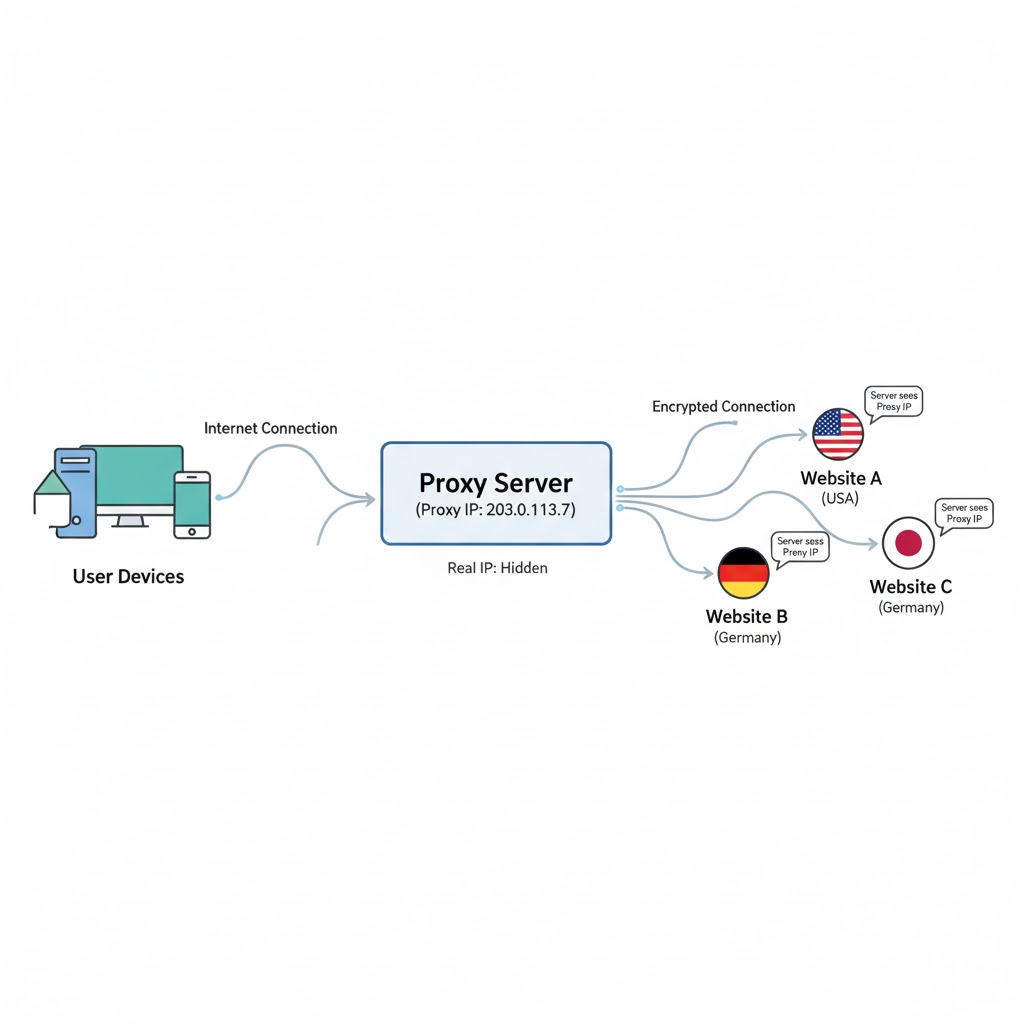
It is a proxy service; basically, it’s software or a service that acts as an intermediary between you and the internet. When you normally browse, your computer connects directly to websites, which means those sites can see your real IP address, location, and browsing patterns. With Proxyium, your traffic gets rerouted through proxy servers, masking your identity and making it appear as though you’re browsing from a different location.
Think of it like using a different name and address when ordering something online, except it’s legal and designed specifically for privacy protection. The website you visit sees the proxy’s information, not yours. Your ISP (Internet Service Provider) sees encrypted traffic heading to a proxy server. And the real you? You’re safely browsing away without exposing your digital fingerprints.
The beauty of Proxyium is that it strips away that direct line between you and websites. Your data gets wrapped up, sent through secure tunnels, and arrives on the other end without revealing where it came from. It’s like having a trusted friend pick up your mail instead of the postal worker seeing your address every time.
How Does Proxyium Actually Work? The Behind-the-Scenes Magic
Understanding how Proxyium works helps you appreciate why it’s becoming popular among privacy-conscious internet users.
Here’s the simple version: when you use this, every request you make gets intercepted and redirected. Instead of your browser saying, “Hey website, here’s my real IP address and location,” It make it say, “Hey website, here’s this proxy server’s address.” The website responds to the proxy server, which then passes the information back to you.
It works through a series of proxy servers located in different parts of the world. Want to appear as if you’re browsing from Japan? Proxyium routes your traffic through a Japanese server. Need to access content restricted in your country? Routing through a different country’s server can help bypass those restrictions. The flexibility is remarkable.
The encryption layer is equally important. When you’re connected through Proxyium, your ISP can’t see what websites you’re visiting; they just see encrypted data going to a proxy server. Similarly, the websites you visit can’t trace back to your real location or identity. It’s like having a mask that covers not just your face, but your entire digital presence.
Why People Actually Use Proxyium (Real-World Scenarios)
Let me be honest with you: Proxyium serves different purposes for different people, and most of them are completely legitimate.
Privacy Protection: Some of us simply don’t want our browsing history sold to advertisers. Every time you visit a website without a proxy, you’re leaving breadcrumbs that marketing companies follow. Proxyium erases those breadcrumbs. Your ISP, government, or employer can’t monitor your online activity as easily.
Accessing Geo-Restricted Content: Streaming services like Netflix or YouTube restrict content based on your location. A show available in the US might be blocked in Europe, and vice versa. Proxyium lets you appear to be in different regions, opening access to content you’ve paid for but can’t usually watch.
Public WiFi Security: Using public WiFi at a café? Without Proxyium or a similar tool, hackers on the same network can intercept your passwords, emails, and financial information. Proxyium encrypts your connection, making it nearly impossible for cybercriminals to steal your data.
Corporate Network Access: Remote workers sometimes use Proxyium to securely access company networks from outside the office. It’s one layer of security in a multi-layered approach to keeping sensitive business information safe.
Research and Data Collection: Some businesses use proxy services for legitimate market research, competitive analysis, or testing website functionality from different geographic locations. Proxyium makes this possible without getting blocked or rate-limited.
I should mention that while these uses are legitimate, it’s important to understand the legal landscape in your region. Some countries restrict proxy use in certain contexts, so it’s worth checking your local laws.
The Benefits of Using Proxyium: What You Actually Gain
Let me paint a picture of what your life looks like when you’re actively using Proxyium.
Enhanced Privacy: Your online activity becomes invisible to prying eyes. Advertisers can’t build detailed profiles of your interests. Your ISP can’t create logs of every website you visit. It’s like finally getting to browse without feeling watched. That peace of mind? Priceless for many people.
Unrestricted Access: Remember when I mentioned geo-blocked content? You get that freedom. International research, remote work requiring access to home-country resources, or simply accessing services while traveling all become seamless. You’re no longer bound by arbitrary digital borders.
Reduced Tracking: The number of trackers following you around the internet is staggering, over 2,000 per day for the average user, by some estimates. Proxyium blocks a significant portion of that surveillance infrastructure. Websites can’t build those creepy, detailed profiles that feel like someone’s been following you.
Faster Speeds in Some Cases: This might surprise you, but some users report faster browsing when using Proxyium. How? The proxy servers can cache frequently accessed content and compress data, making pages load more quickly. It’s not universal, but it’s a nice bonus.
Network Security: On shared networks, your data remains encrypted and protected. Even if you’re at an airport, library, or coffee shop with hundreds of other people, your information stays private. Hackers can’t intercept your banking passwords or personal messages.
The Flip Side: Risks and Limitations You Should Know About
I’d be remiss if I didn’t mention that Proxyium, like any tool, comes with considerations and potential downsides.
Trust Is Everything: When you use Proxyium, you’re essentially trusting the company not to monitor or log your activity. Some proxy services have been caught keeping detailed records despite claiming they don’t. This is why you should only use reputable services with transparent privacy policies. Not all proxies are created equal.
Potential Speed Reduction: While some users experience faster speeds, others report slower connections. Rerouting your traffic through additional servers adds latency. If you’re a competitive gamer or need lightning-fast speeds, this might frustrate you.
Some Websites Block Proxies: Banks, streaming services, and other security-conscious websites actively detect and block proxy connections. You might find yourself unable to access your bank account or certain streaming platforms when using Proxyium. It’s a constant cat-and-mouse game.
Legal Gray Areas: The legality of proxy use varies by country and context. While using a proxy for privacy isn’t illegal in most Western countries, using it to circumvent copyright protections or access restricted content might be. Always understand the laws in your jurisdiction.
Potential for Misuse: Yes, legitimate users benefit from Proxyium, but so do people doing illegitimate things. This association means Proxyium IP addresses get blacklisted more easily. Sometimes legitimate requests from Proxyium users get flagged as suspicious just because of the proxy’s reputation.
Proxyium vs. VPN: What’s the Real Difference?
This confusion trips up a lot of people, so let me clear it up: Proxyium and VPNs (Virtual Private Networks) are related but different tools.
A proxy works at the application level. You configure it for specific apps or in your browser. Your email might go through it, but your instant messaging might not. It’s selective and flexible. VPNs, on the other hand, operate at the system level, encrypting all traffic from your entire device, whether you’re in your browser, checking email, or playing games.
Think of Proxyium as a specialized tool for specific tasks, while a VPN is more like a comprehensive shield for everything. VPNs typically offer stronger encryption, while proxies are often faster and more versatile. Many people actually use both for maximum protection.
For accessing geo-restricted content or general privacy, Proxyium works great. For maximum security on public networks or when traveling to restrictive countries, a VPN might be the better choice. Some users combine them using Proxyium for browsing and a VPN for sensitive activities like banking.
Is Proxyium Actually Safe? The Honest Answer
Safety is the question everyone really wants answered when considering Proxyium.
The honest answer is: it depends on how you use it and which provider you choose. Using Proxyium through a reputable, well-reviewed company with transparent security practices? Generally safe. Using a sketchy, free proxy you found on a random forum? Potentially dangerous.
Here’s what makes a Proxyium provider trustworthy: they have a clear no-logs policy, transparent encryption standards, regular security audits, positive user reviews spanning years, and responsive customer support. These indicators suggest the company takes security seriously.
The biggest safety concern isn’t the proxy itself; it’s what the proxy provider might do with your data. Some free proxies inject ads, track your activity, or sell your information to the highest bidder. That’s worse than having no proxy at all. Premium services, while costing money, typically have strong incentives to protect user privacy since they’re built on it.
One practical tip: never use Proxyium for sensitive activities like banking or shopping unless you’re 100% confident in the provider’s security. Most privacy-conscious people use Proxyium for general browsing and a dedicated VPN or direct connection for financial transactions.
Choosing the Right Proxyium Provider: What to Look For
Not all Proxyium services are created equal. Here’s what separates the good ones from the questionable ones.
Transparency About Logging: A trustworthy provider will publicly state whether they keep activity logs. The best ones don’t. If they’re cagey about this question, that’s a red flag. You want a company that’s proud of its no-logs policy and can back it up with third-party audits.
Server Locations: More server locations mean more flexibility. If you need to appear in a specific country, make sure the provider has servers there. This also provides redundancy if one server goes down, others are available.
Speed and Reliability: Read user reviews specifically about speed and uptime. A proxy that’s constantly slow or disconnecting is practically useless. Look for providers with 99%+ uptime guarantees and consistently positive speed feedback.
Customer Support: When something goes wrong, you want responsive support. Test their customer service before committing. Good providers answer within hours, not days.
Pricing Model: Free proxies are tempting, but they’re often the least trustworthy. Premium services with reasonable pricing ($5-15 per month typically) tend to have better security practices because they have a sustainable business model. You’re not the product; you’re the customer.
Security Features: Look for SSL/TLS encryption, IP rotation capabilities, and protection against common attacks. Some providers offer additional features like malware protection or ad blocking.

Setting Up Proxyium: A Beginner’s Quick Start
Getting started with Proxyium doesn’t require a computer science degree; most services make it surprisingly simple.
Browser Setup: For basic browser usage, you can configure Proxyium directly in your browser settings. Firefox, Chrome, and Safari all allow proxy configuration. It’s usually under Settings → Network → Proxy. Enter your Proxyium provider’s proxy address and port, and you’re done.
Using Browser Extensions: Many Proxyium providers offer browser extensions that make switching on and off effortless. Install the extension, create an account, and you’re browsing privately with a few clicks. This approach is more user-friendly than manual configuration.
Mobile Apps: If you use your phone or tablet extensively, look for providers offering mobile apps. These handle all the technical setup automatically; you just open the app, connect, and browse.
System-Wide Configuration: For advanced users, you can configure Proxyium at the system level, affecting all applications. This requires more technical knowledge but provides comprehensive coverage.
Testing Your Setup: Once configured, visit a “What is my IP” website to verify the proxy is working. You should see your proxy provider’s IP, not your real one. If you see your real IP, something’s misconfigured.
Most providers offer customer support to walk you through setup if you get stuck. Don’t hesitate to reach out. Good companies actually enjoy helping users.
Common Proxyium Mistakes People Make
After learning the basics, here are pitfalls to avoid.
Using Free Proxies, I’ll say it again because it’s crucial: free proxies are often harvesting your data or injecting malware. The few legitimate free options are typically overloaded and slow. Budget a few dollars monthly for a quality service.
Ignoring Privacy Policies People install Proxyium and never read the privacy policy. Spend 10 minutes reading what the provider actually does with your data. This single action prevents most privacy disasters.
Assuming Anonymity Proxyium masks your IP, but you’re not completely anonymous. If you log into your personal email or social media accounts while using it, companies can still identify you. It’s a privacy tool, not a full anonymity service.
Not Testing the Connection: After setting up Proxyium, actually verify it’s working. Check your IP address, test for DNS leaks, and confirm the speed is acceptable. Many people set it up and assume it’s working without checking.
Using While Doing Illegal Activity, I need to be clear: Proxyium isn’t a get-out-of-jail-free card. If you’re doing something illegal, the proxy just slows down your eventual identification. Law enforcement can subpoena proxy company logs, access device forensics, and trace activity. Don’t rely on Proxyium for illegal protection.
Forgetting About Two-Factor Authentication. Even with Proxyium’s privacy protection, your accounts are still vulnerable if someone guesses your password. Always use two-factor authentication on important accounts.
The Future of Proxyium and Proxy Technology
Where is Proxyium heading? The proxy landscape is evolving in interesting ways.
Increasing Regulation: Governments worldwide are starting to regulate proxy use more strictly. What’s legal and normal today might face restrictions tomorrow. Stay informed about your local regulations.
Better Detection Technology Websites and services are getting smarter at detecting and blocking proxy connections. Proxy providers are responding with more sophisticated technologies. It’s an ongoing arms race.
Integration with Other Privacy Tools The line between Proxyium, VPNs, and other privacy tools is blurring. We’re seeing more integrated solutions that combine multiple protection layers.
AI and Machine Learning Proxy providers are using AI to improve security, prevent abuse, and optimize routing. Expect faster, smarter proxy services in the coming years.
Corporate Adoption: More businesses are implementing proxy solutions for employee security and network optimization. This corporate adoption is legitimizing the technology further.
FAQs
Q: Is using Proxyium illegal? A: In most countries, no. Using a proxy for privacy and security is completely legal. However, using it to bypass copyright protections or access restricted content might be illegal in your jurisdiction. Check local laws.
Q: Can Proxyium slow down my internet? A: Potentially, yes. Rerouting traffic adds latency. The impact depends on server distance, network congestion, and your ISP speed. Many users report minimal slowdown with quality providers.
Q: Will Proxyium let me access blocked content everywhere? A: Not always. Some websites actively block known proxy IP addresses. Banks, streaming services, and secure sites are particularly good at this. It’s a game of cat and mouse.
Q: Can my employer detect my use of Proxyium at work? A: If you’re on a corporate network with monitoring software, probably yes. Sophisticated employers can detect proxy usage. Using Proxyium to circumvent workplace policies could get you fired.
Q: Is Proxyium the same as a VPN? A: No, they’re different technologies. VPNs encrypt all system traffic, while proxies work at the application level. VPNs are generally stronger for security; proxies are more flexible and sometimes faster.
Q: What’s the best Proxyium provider? A: The “best” depends on your needs, but quality indicators include transparent logging policies, strong encryption, fast speeds, extensive server locations, and excellent customer reviews. Research providers thoroughly.
Q: Can Proxyium protect me from viruses? A: Not directly. Proxyium protects privacy and masks your IP, but a separate antivirus/antimalware program is necessary for virus protection. Use them together.
Q: Is free Proxyium worth using? A: Usually not. Free proxies often compensate by collecting and selling your data. Spend a few dollars monthly on a reputable paid service instead.
Q: How do I know if Proxyium is actually working? A: Use IP checking websites like “What is My IP” to verify that the proxy IP appears, not your real one. Also, check for DNS leaks and test connection speeds against your baseline.
Q: Can police trace me through Proxyium? A: Law enforcement can subpoena proxy company records and trace activity. Proxyium provides privacy from casual surveillance, not from determined investigations. Don’t use it with that expectation.
Final Thoughts: Making Proxyium Work for You
Here’s the truth about Proxyium: it’s a powerful privacy tool that works best when you understand what it can and can’t do. It’s not a magic shield that makes you completely anonymous or protected from everything. It’s also not nefarious or dangerous when used responsibly through reputable providers.
Think of Proxyium as one tool in your privacy toolkit. Use it for general browsing, accessing geo-restricted content, and protecting yourself on public networks. Combine it with strong passwords, two-factor authentication, regular updates, and common sense about what you share online.
The digital world increasingly feels like someone’s always watching. Proxyium gives you back some control over your privacy. It’s a legitimate way to browse more freely and protect your personal information from tracking, selling, and unwanted surveillance.
Start small. Try a reputable provider’s free trial or month-long subscription. See how it feels. Notice the speed, test the features, and determine if it fits your actual needs. The best privacy tool is one you’ll actually use consistently.
Your online privacy matters. You deserve to browse without feeling watched. Whether Proxyium is your answer or you find another solution, taking action toward better privacy is what really counts.
What’s holding you back from trying Proxyium? Is it concerns about speed, cost, or legality? Share your thoughts, understanding what worries people most helps me, and others make informed decisions.
